
I’ve written a lot of posts about Cuba – sharing the hidden gems and incredible places I’ve had the privilege to visit. But before we go any further, I want to share an important disclaimer: I am not here to talk about politics or push a manifesto. When it comes to complex topics like that, I prefer to keep conversations personal, over a warm cup of coffee.
The real reason I am writing this is because I’ve grown incredibly tired of the modern travel media landscape. It seems like every video and blog post about Cuba focuses solely on the ruins, the scarcity and the struggle. Yes, there are things there that break my heart. But lately, it feels like content creators are treating Cuba and its people like a zoo – capturing shock-value shots just to chase clicks, views, and controversy. Ask yourself: are they showing you this out of an altruistic desire to help, or is it just for their own algorithm?

Here is what I need you to understand: I am going to share the beautiful side of Cuba. I am writing about the good things because, despite the difficult daily realities, they do exist. I know this because I experienced it firsthand.
Last year, I visited Cuba twice. I saw both sides: the resort bubble and the local reality. Also, I spent almost a month living with a Cuban family – who I now consider my family – facing their daily life right alongside them.
I don’t claim to be an expert, and I will never claim to understand the Cuban experience perfectly. At the end of the day, I am a traveler and I carry the privilege that comes with that. That’s why I’m calling this series How to: Cuba. I’m not talking about the usual ‘tips’ here – I’ll post about the SIM cards, the cash and the VPNs another day. This is about the mindset, not the packing list. Some of these items are things you can actually apply anywhere you go in this world.
Shift Your Lenses
Take off the “regular life” filter from your glasses. You cannot judge Cuba by the logistical metrics of London, New York or Paris. If you expect automated efficiency, you’ll just spend your trip frustrated. Look instead at the metric of human connection, safety and community infrastructure.
Acknowledge that no one is happier being poor. Avoid romanticizing the scarcity. The warmth, music and laughter you encounter aren’t a byproduct of poverty; they exist in spite of it. Respecting their resilience means seeing them as people working hard to build a life, not characters in a tragic, colorful play.
Look for resolver – extraordinary solutions for daily problems. In Cuba, resolver (to resolve / find a way) is a national art form. Look closely at how things are fixed, adapted, and upcycled. From a 1950s car running on an entirely repurposed engine to makeshift household tools; the sheer brilliance of Cuban mechanical and daily resourcefulness is breathtaking.
Live and Move Like a Local
Bypass hotels for a Casa Particular. Staying in licensed private homestays directly supports Cuban families. Sit in the rocking chairs in the living room, accept the morning coffee (cafecito) and let your hosts guide you. They will point you toward the real spots!

Ditch the tourist taxis for a Colectivo. Squeezing into a máquina (fixed-route shared vintage car) or a local collective bus forces you out of the tourist bubble. It’s a sensory experience – listening to the local radio station, watching how people seamlessly share space, and learning the subtle hand gestures used to hail a ride.
Go far beyond the Havana-Varadero bubble. Havana has the intensity of a capital city, and Varadero is a generic resort strip. To see Cuba’s soul, head to Viñales to walk through agricultural valleys where tobacco is still farmed with oxen, or explore Trinidad and Santiago de Cuba – the cradle of Cuban son and trova music, where the Afro-Cuban roots of the island run incredibly deep.
Connect Across the Table
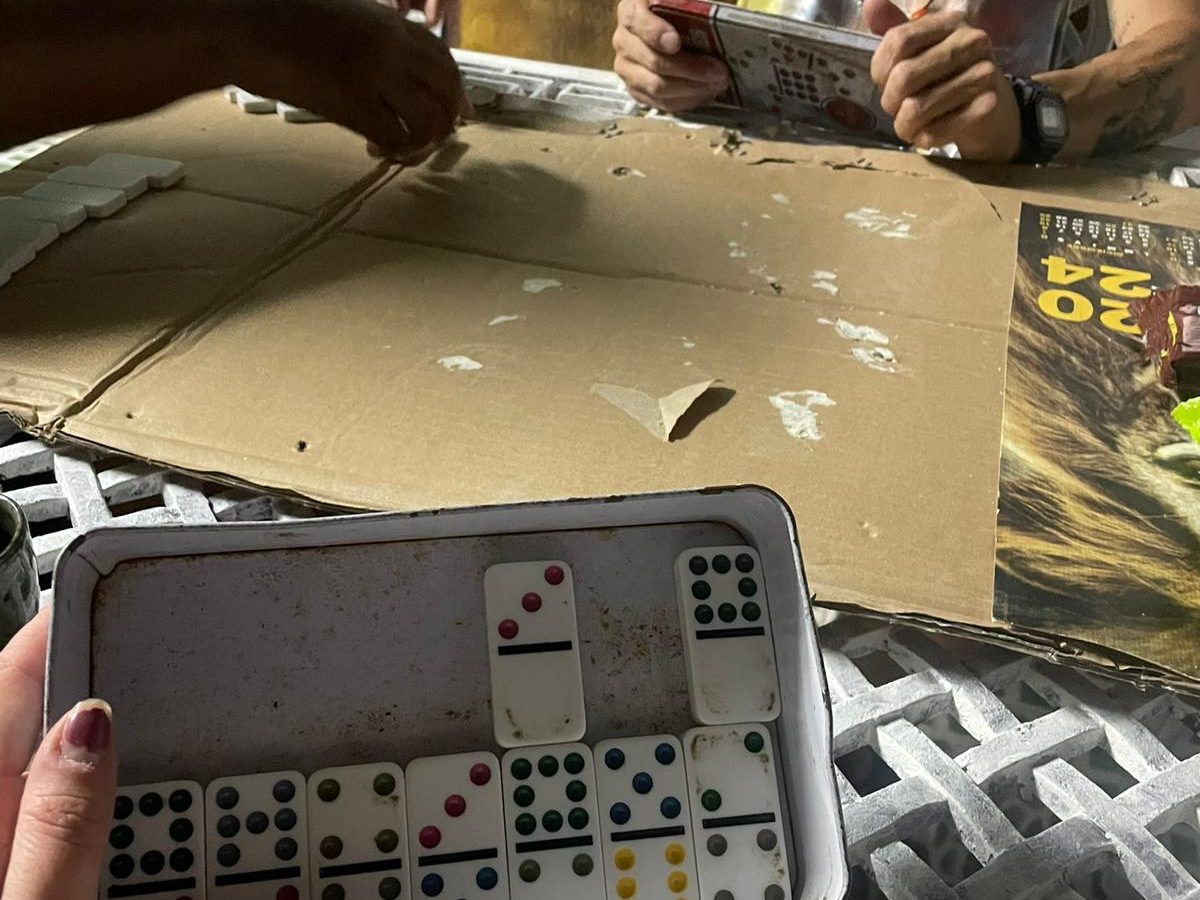
Pull up a chair at a street domino game. Dominoes is a serious, high-energy sport on Cuban street corners. Slamming the tiles down is part of the rhythm of the neighborhood. Ask to watch, learn the rules, and if invited, sit down. It is the absolute quickest way to break down barriers and share a laugh.
Listen to personal stories, not just guidebooks. Instead of relying purely on a guidebook or a standard museum plaque, hire local independent guides or simply strike up conversations. Ask them what their neighborhood looked like twenty years ago, what their favorite music is, or how they spent their youth. You will get a rich tapestry of nuanced, deeply personal histories.
Support the independent Paladares (private restaurants). The culinary scene in Cuba has shifted massively due to private enterprise. Seek out local, family-run paladares. The chefs here are doing magic with seasonal, local ingredients, turning limited options into spectacular, creative Creole dishes. Eating here is an act of appreciation for their culinary ingenuity.
Invest your time in the arts, not just the architecture. Seek out community art projects (like Muraleando in Havana), independent dance workshops, or small, sweaty live music venues where locals actually go to dance. Cuban culture is alive, dynamic, and constantly evolving – it is not frozen in a vintage time capsule.
Master the Art of the Present
Trade digital connection for analog presence. Because internet access in Cuba requires intentional effort (buying Wi-Fi cards, hanging out near specific parks or hotspots), use it as a massive blessing in disguise. Put your phone in airplane mode. Without the constant urge to check notifications or scroll social media, your eyes naturally drift upward. You start noticing the details: the kids playing street baseball with a crushed plastic bottle, the music spilling out of a second-story window, and the neighbors leaning over balconies to chat. Cuba forces you to be 100% where your feet are, which is a rare and beautiful gift in the modern world.

The real Cuba isn’t found in a vintage car photoshoot or a headline about scarcity – it’s found in the rocking chairs of a casa particular and around a street domino table. If you’re ready to look past the clickbait and experience travel through a completely different lens, hit follow to stay tuned for the rest of this series. But first, let’s talk in the comments: What is one destination where you had to completely shift your mindset to truly understand it? Let me know below!

Leave a Reply